
The Changing Reality of Modern B2B Sales Teams
Modern B2B buyers are more informed than ever before. By the time a sales conversation begins, buyers have often researched the market, compared vendors, and formed strong opinions about potential solutions.
According to Forrester’s Buyers’ Journey Survey (2024), 41% of buyers enter the purchase process with a preferred vendor already in mind, while 92% have an existing shortlist.
In this environment, sales success is no longer determined by who delivers the best pitch. It is determined by who demonstrates the deepest understanding of the buyer’s business challenges, technology landscape, and strategic priorities.
This shift has fundamentally changed how TSL Consulting develops its sales teams.
Rather than training representatives to deliver scripted messages, TSL develops consultative technology specialists who can understand buyer ecosystems, identify business challenges, uncover solution fitment, and engage decision-makers with confidence.
The goal is simple: create meaningful conversations that lead to qualified opportunities and stronger pipeline outcomes.
What Makes a TSL Consultant Different?
Most sales teams are trained to talk about products.
TSL consultants are trained to understand technology-driven businesses.
That distinction shapes every stage of our development program.
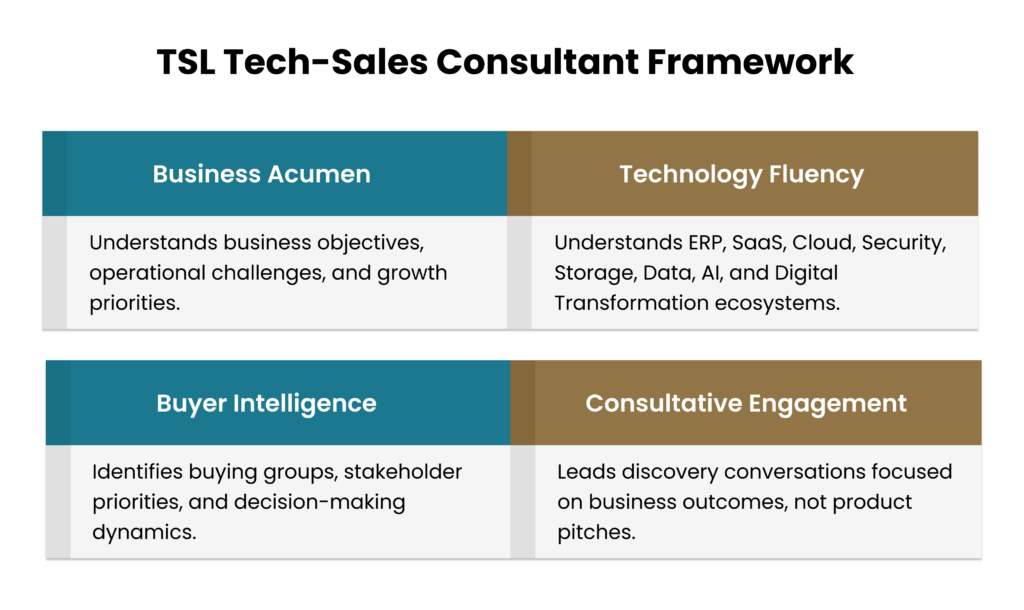
The Four Capabilities That Shape TSL's B2B Sales Teams
TSL’s training methodology is designed to build consultants who can diagnose challenges, understand technology environments, communicate effectively, and engage buyers with confidence.
Stage 1: Building the Diagnostic Mindset
Many sales conversations begin with qualification questions and quickly transition into product discussions.
TSL takes a different approach.
Consultants are trained to understand the problem before discussing the solution.
Every discovery conversation is structured across three dimensions:
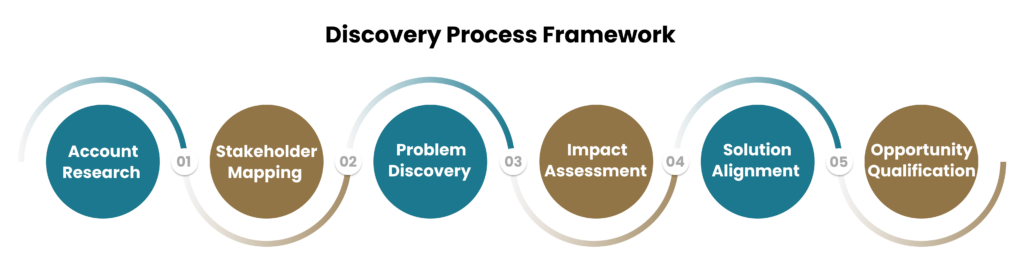
Problem → Impact → Evidence
Consultants document the buyer’s challenge, quantify its business impact, and validate findings through evidence before recommending a solution.
This keeps conversations diagnostic, objective, and relevant.
Stage 2: Developing Technology Fluency
A consultant who cannot discuss integration challenges, deployment models, security considerations, or business outcomes will struggle to build credibility.
This is why technology fluency forms a core pillar of TSL’s training model.
Domain Expertise before Product Expertise
Before learning a client’s solution, consultants are trained on the broader technology ecosystem in which that solution operates. This domain familiarity enables TSL consultants to engage prospects in the language of their industry rather than relying solely on product messaging.
This includes:
- ERP & Enterprise Applications
- SaaS Platforms
- Cloud Infrastructure
- Cybersecurity
- Storage & Backup
- Data & Analytics
- Artificial Intelligence
- Digital Transformation Initiatives
This broader understanding enables consultants to discuss industry trends, business priorities, and technology challenges before discussing products.
Technology Fluency Framework
Architecture Literacy
Understanding deployment models, integrations, security requirements, data flows, and system architecture.
Business Translation
Connecting technical capabilities to outcomes valued by different stakeholders.
A CTO evaluates scalability and reliability.
A CFO focuses on cost optimization and return on investment.
A COO evaluates operational efficiency and process impact.
Consultants learn to speak the language of each audience.
Competitive Differentiation
Understanding where a solution excels, where limitations exist, and how to communicate both with credibility and transparency.
Technology fluency is no longer a differentiator.
It is a requirement for modern B2B selling.
Stage 3: Structured Communication
At TSL, communication is treated as a business discipline rather than a personality trait.
Effective communication starts with understanding what buyers are trying to communicate.
The Three Communication Disciplines
Listen
Identify stated needs, implied requirements, and hidden concerns.
Analyze
Assess business impact, stakeholder priorities, and decision-making dynamics.
Respond
Deliver relevant insights, recommendations, and evidence-based responses.
Objection Handling Through Risk Analysis
TSL consultants are trained to view objections as signals rather than barriers.
Using the ACE Model:
Acknowledge → Clarify → Evidence
Consultants uncover underlying concerns, validate the issue, and respond with relevant proof points and context.
The result is a collaborative discussion rather than a defensive negotiation.
Stage 4: Simulation-Based Readiness
Knowledge alone does not create performance.
The ability to apply knowledge under pressure is what matters.
Before engaging live prospects, consultants participate in simulation-based training designed around real-world sales situations.
Scenario-Based Simulations
Examples include:
- A skeptical IT leader concerned about implementation risk.
- A CFO evaluating business value and ROI.
- A procurement stakeholder entering the process late and reshaping discussions.
- A multi-stakeholder buying committee with competing priorities.
Recorded Call Reviews
Successful and unsuccessful sales conversations are analyzed to identify patterns, strengths, gaps, and opportunities for improvement.
This practical exposure accelerates development and prepares consultants for complex buyer interactions.
Why This Approach Matters
- Modern B2B buyers expect more than product knowledge.
- They expect business understanding.
- They expect technology awareness.
- They expect consultants who understand their environment, challenges, and priorities.
- TSL’s training model is designed to meet those expectations.
- By combining structured discovery, technology fluency, buyer intelligence, communication discipline, and simulation-based readiness, TSL develops professionals who can engage decision-makers with credibility and confidence.
- For clients, this translates into faster stakeholder alignment, higher-quality opportunities, and more effective pipeline progression.
Conclusion
The future of B2B sales in tech spaces belongs to professionals who can combine business understanding, technology fluency, and consultative engagement.
At TSL, sales teams are trained to understand buyer ecosystems, navigate complex buying groups, and engage decision-makers across every stage of the buying journey.
They do not simply learn how to sell technology.
They learn how technology-driven businesses operate, what challenges they face, and how solutions create measurable business impact.
That is why TSL consultants do more than generate conversations.
They help create qualified opportunities, stronger customer relationships, and sustainable pipeline growth.
If you’re looking to build stronger buyer conversations and create more meaningful pipeline outcomes, connect with TSL to explore how a consultative approach can strengthen your sales engagement strategy.
Connect with us today. 📞 +91 9529286060 | 📧 smohite@tslmarketing.com
Today’s buyers are more informed and involve multiple stakeholders in the decision-making process. A consultative approach enables sales teams to understand business priorities, address specific concerns, and create more meaningful conversations that lead to stronger outcomes.
TSL’s teams go beyond scripts and product pitches. They engage buyers by understanding their business context, technology landscape, stakeholder priorities, and desired outcomes before recommending a solution.
Technology fluency helps sales professionals engage confidently with informed buyers. It enables them to discuss integrations, deployment models, business implications, and industry challenges in a way that builds credibility and trust.
TSL’s consultants develop familiarity across multiple domains, including ERP, SaaS, cloud infrastructure, cybersecurity, storage and backup, data and analytics, artificial intelligence, and digital transformation initiatives.
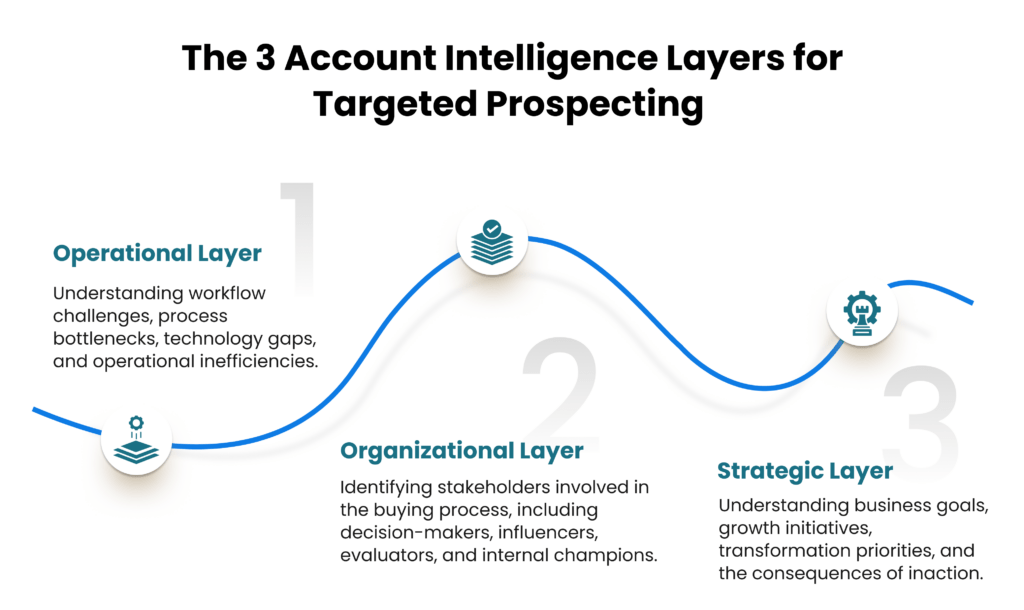
Consultants identify and engage key stakeholders throughout the buying journey, including decision-makers, technical evaluators, business influencers, procurement teams, and internal champions. This helps ensure conversations remain relevant to each audience.
Rather than relying solely on classroom learning, TSL emphasizes scenario-based simulations, role plays, and recorded call reviews that expose consultants to realistic selling situations before engaging with prospects.
Organizations benefit from stronger buyer engagement, improved lead qualification, better stakeholder alignment, more relevant conversations, and healthier pipeline progression.
TSL’s methodology is particularly relevant for organizations operating in complex B2B environments, especially those selling technology solutions that involve longer sales cycles, multiple stakeholders, and informed buyers.